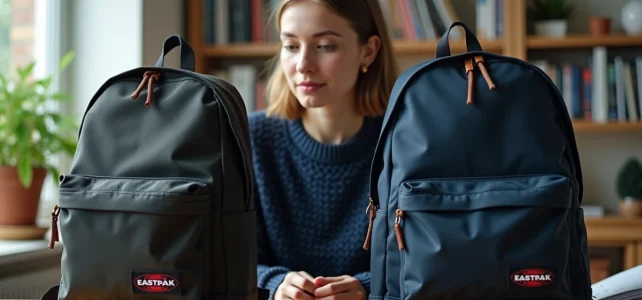
Buying an Eastpak bag on a marketplace or resale site means accepting a risk: the risk of receiving a counterfeit. Counterfeits of this brand are widely circulated online, shipped in small parcels directly to the consumer. Spotting a fake Eastpak requires knowing where to look, and most of the clues are details that can be checked in a matter of seconds, bag in hand.
Here are five concrete checkpoints, categorized by area of the bag, to distinguish an authentic model from a counterfeit.
1. Zipper marked YKK or Eastpak
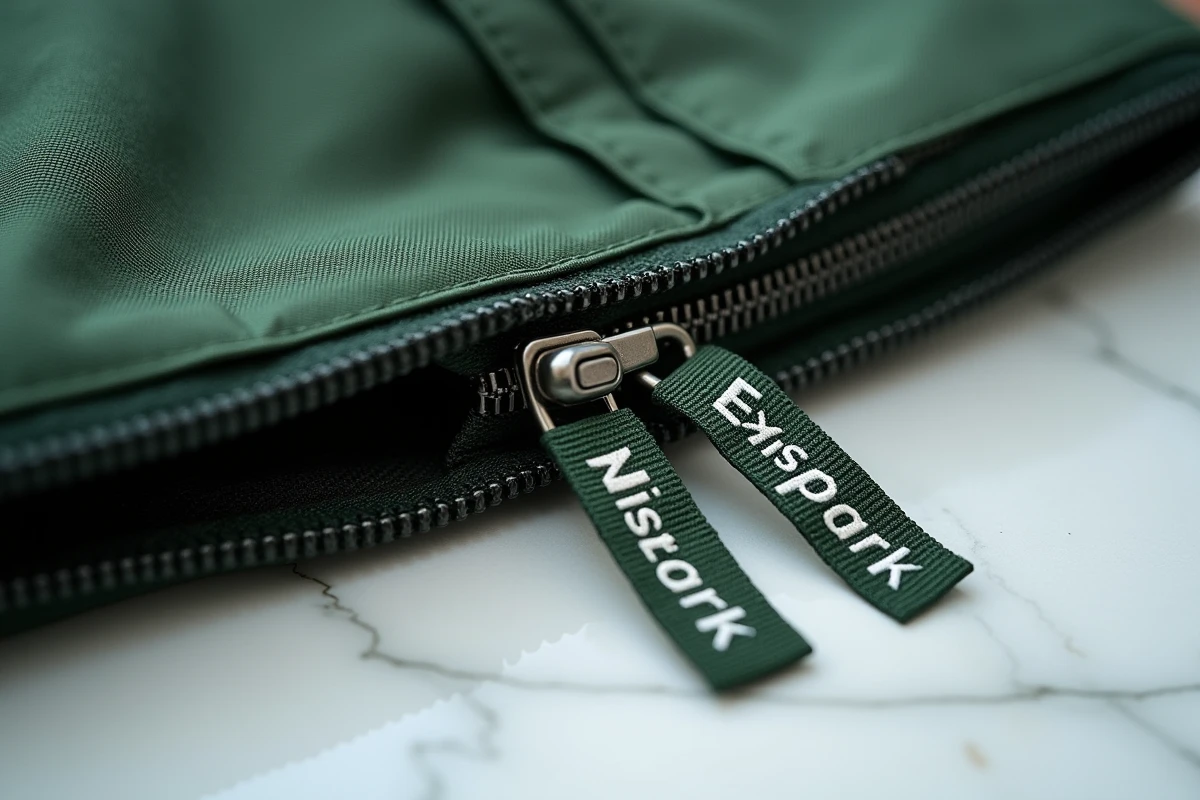
Have you ever flipped the slider of a zipper to read what is engraved on it? On an authentic Eastpak, the zip bears the mention YKK or the Eastpak engraving on the metal pull. YKK is the world’s leading supplier of zippers for textile brands. Eastpak exclusively uses this type of component.
On a counterfeit, the slider is often made of lightweight plastic, with no inscription, or with a blurry, misaligned marking. The zipper itself lacks smoothness: it catches, jams, or derails after a few openings.
Test the zip several times in a row. A robust metal mechanism that slides effortlessly is a good indicator of authenticity. If the slider seems fragile or if plastic dominates, caution is warranted. To delve deeper into the method, you can read the article on Fashionova that details each step with comparative photos.
2. Eastpak exterior logo: position, colors, and clarity
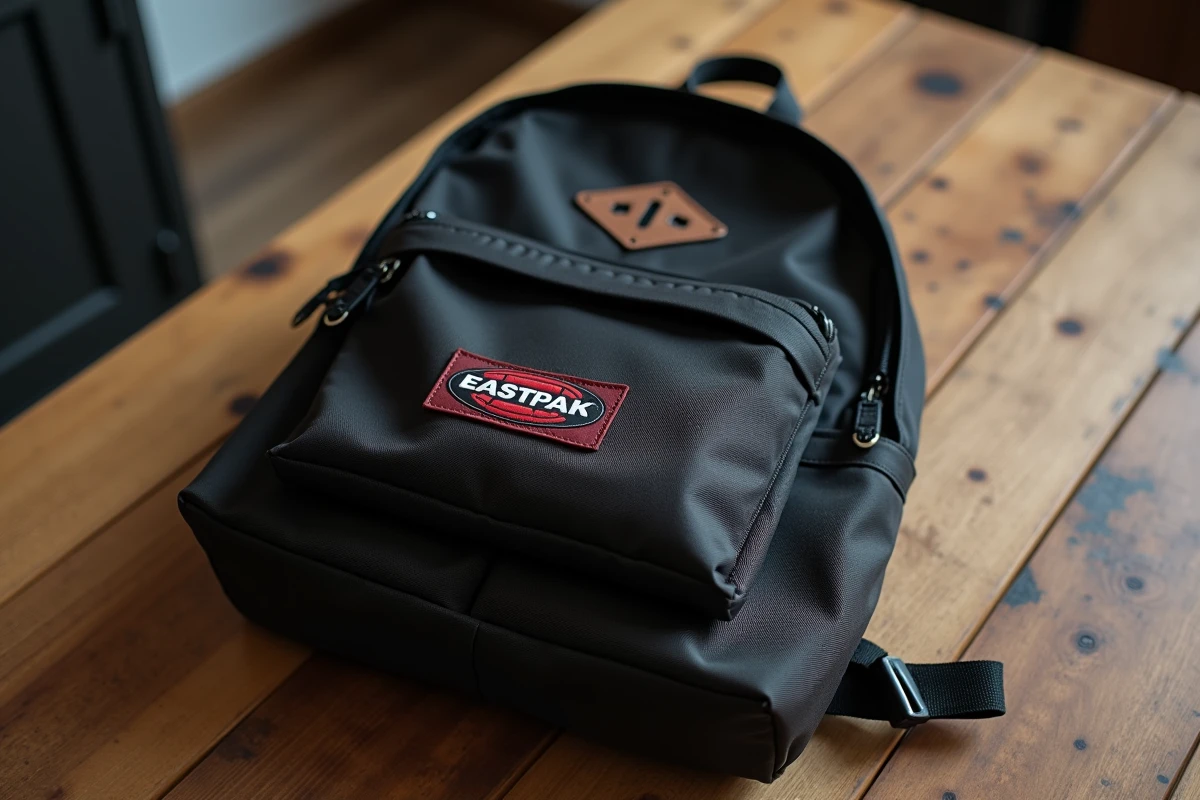
The logo sewn on the outside of the bag is the first visible element and also the most copied. On an original model, the logo is centered, with sharp colors (distinct red, white, and black). The arrow pointing to the right is perfectly cut, without thread fraying.
Counterfeits often feature a logo slightly misaligned either up or down. The colors may lean towards orange instead of true red, or the white may turn cream. The typography of the word “Eastpak” can also betray the copy: irregular spacing between letters, slightly different font.
Always compare with a photo of the official logo taken from the brand’s website. A discrepancy, even minimal, in the proportion of the arrow or the size of the characters is enough to confirm a fake.
3. Interior label and serial number
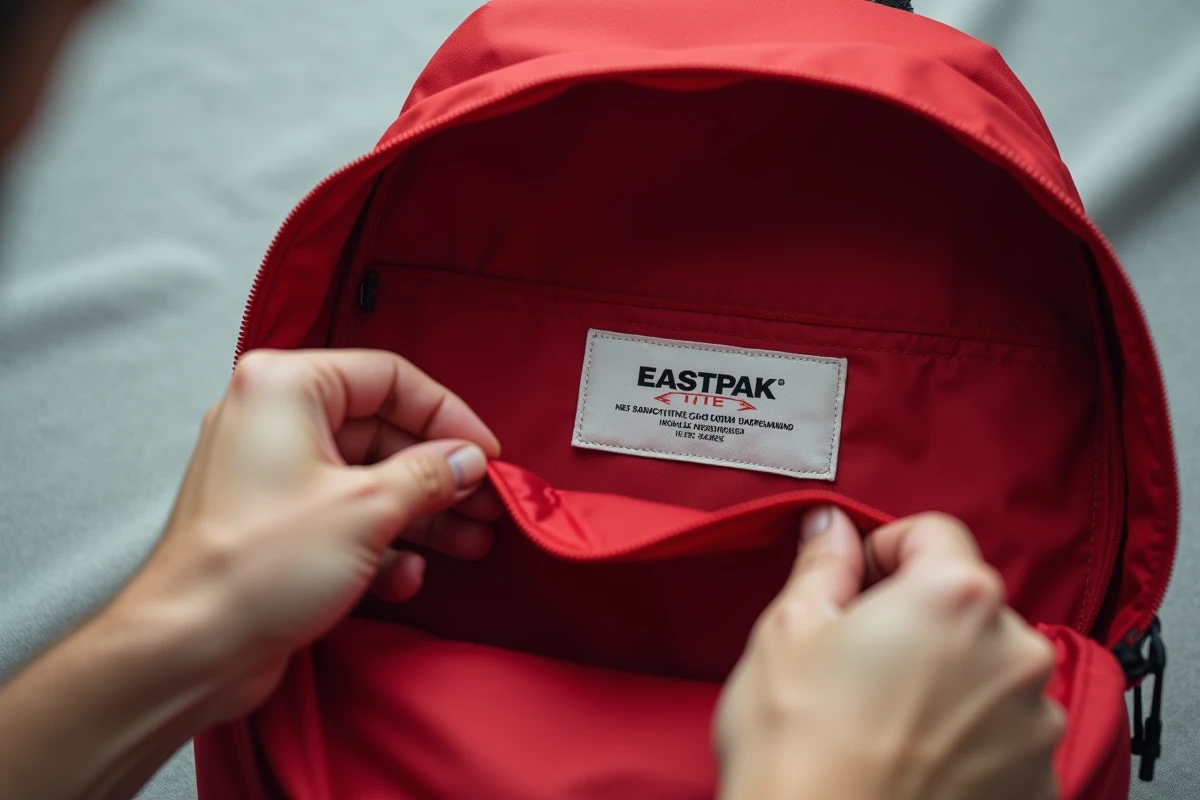
Open the bag and look for the label sewn inside. On an authentic Eastpak, this label displays several verifiable pieces of information:
- The country of manufacture (Vietnam, China, or Bangladesh are among the usual production sites)
- An alphanumeric serial number or product code
- The mention of Cordura fabric, the brand’s signature material
- Readable and correctly translated care instructions
The label of a fake is often printed and not woven, with blurry text or spelling mistakes. The complete absence of a serial number is a reliable warning sign. On low-quality copies, the label may also be simply glued rather than sewn.
4. Cordura fabric and stitching quality
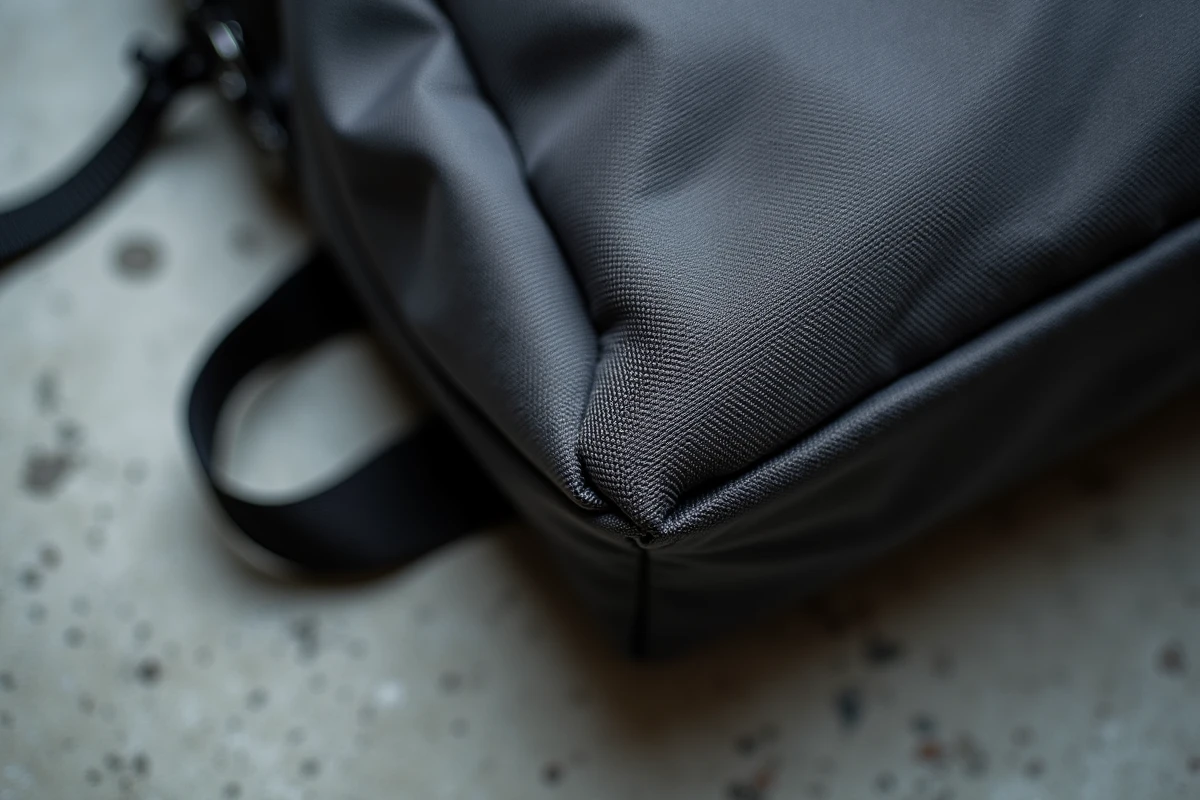
Eastpak uses Cordura nylon on most of its models. This fabric has a recognizable texture: rough grain, notable thickness, abrasion resistance. Run your finger over the surface of the bag. An authentic Eastpak feels dense, almost grainy.
A counterfeit uses a thin, smooth fabric that wrinkles easily when pinched. The difference is striking as soon as you have touched both materials side by side.
The stitching confirms the diagnosis. On a real Eastpak, they are straight, even, with a strong thread of uniform color. On a fake, threads stick out, lines deviate, and some junction areas (straps, bottom of the bag) already show signs of weakness even before the first use.
5. Eastpak warranty and sales channel
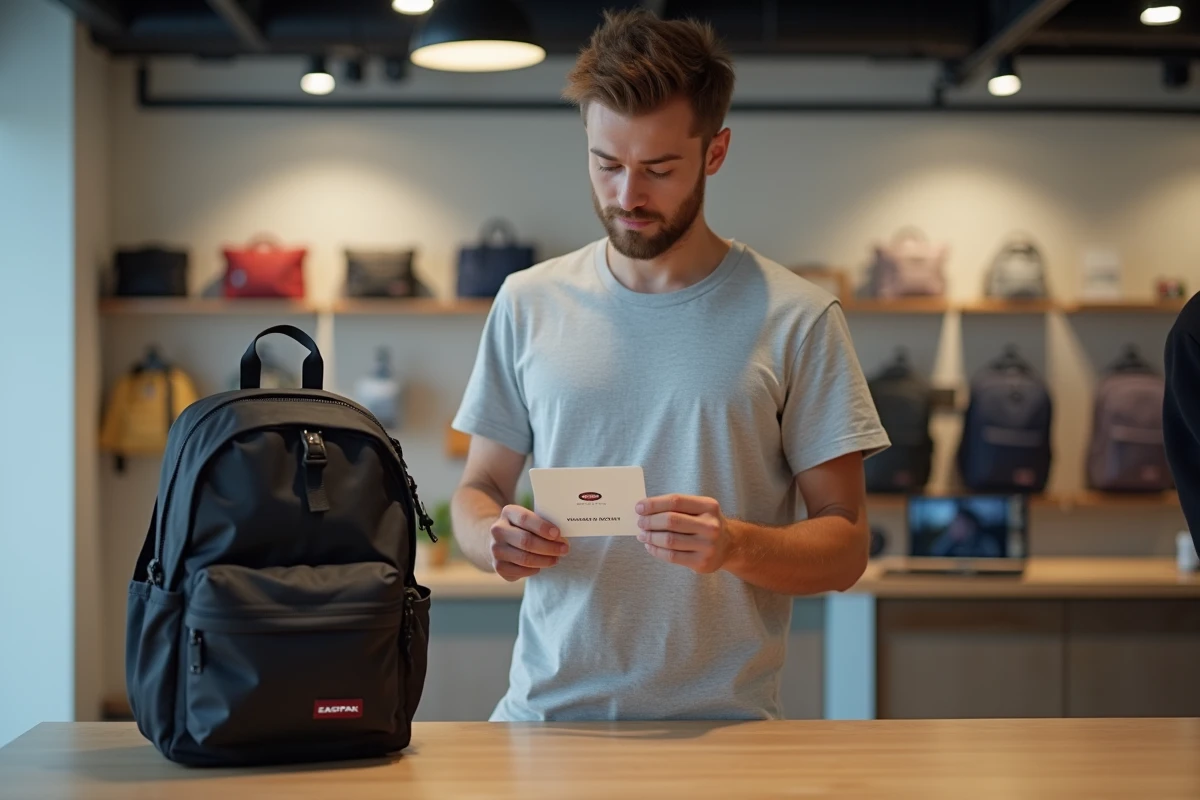
Eastpak offers a 30-year warranty on its products. This policy covers manufacturing defects and serves as a formidable verification lever. A seller who cannot provide proof of this warranty, or who offers a bag at an abnormally low price, is likely selling a counterfeit.
The sales channel plays a crucial role. Eastpak collaborates with customs authorities and online platforms to have fraudulent listings removed. The brand has an internal team dedicated to combating counterfeiting. Despite these efforts, fakes are widely circulated through small parcel shipments directly to consumers, complicating their interception.
To reduce the risk, prefer authorized resellers or the official website. On marketplaces, check reviews, the seller’s longevity, and the consistency of the price with the usual rate of the model.
- A Padded Pak’r sold well below its usual price should raise alarms
- A seller without a clear return policy is suspicious
- The absence of detailed photos (zip, label, stitching) in the listing is a bad sign
None of these five criteria is sufficient on its own. It is their combination that matters. A bag that passes all five checks (YKK zip, clear and centered logo, complete interior label, rough Cordura fabric, documented 30-year warranty) is likely to be authentic. A single weak point warrants putting the bag down and walking away.