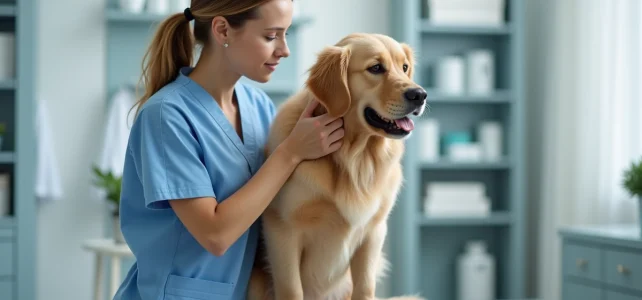
In France, only a fraction of dogs and cats have health coverage, a considerable gap compared to several Northern European countries. This situation persists despite the marked increase in veterinary care costs since 2022, driven by inflation, supply tensions on medications, and the arrival of cutting-edge medical equipment in clinics.
High-tech equipment in veterinary clinics and its impact on prices
Since 2022-2023, an increasing number of French veterinary clinics are investing in advanced imaging: CT scans, MRIs, 3D endoscopy. Specialized surgical units in orthopedics or oncology are developing, even outside major urban centers. These investments significantly improve animal care, but they directly affect the cost of procedures, especially in emergencies.
The Federation of Veterinary Unions of France (FSVF) and the Order of Veterinarians report a combination of factors: rising energy costs, increased salaries for healthcare staff, and supply tensions on certain products (antibiotics, anesthetics). The result is a noticeable increase in consultation and hospitalization fees that most households do not anticipate in their current budget.
For a dog or cat owner, the question is no longer whether an expensive treatment will occur, but when. An aging animal eventually requires a thorough assessment, and a young animal is not immune to accidents or early pathologies. It is in this context that taking out pet health insurance becomes very meaningful. Those who wish to delve deeper into the process can learn everything about X Anima before comparing market offers.

Renunciation of veterinary care: an underestimated phenomenon
Renunciation of care is not a concept reserved for human medicine. According to the FSVF, recent price increases reinforce the risk that owners will forgo non-urgent procedures: annual geriatric assessments, monitoring of chronic diseases (diabetes, kidney failure), post-operative rehabilitation. These treatments are not spectacular, but their absence gradually degrades the quality of life of the animal.
The mechanism is quite simple. Faced with a bill of several hundred euros for an additional examination, an uninsured owner hesitates, delays, or chooses a less suitable treatment. Pet insurance reduces this financial barrier at the moment of decision, allowing the veterinarian to propose the most relevant protocol without the immediate cost becoming the main criterion.
Field reports vary on the exact extent of this renunciation, due to a lack of consolidated data at the national level. However, veterinarians surveyed by professional unions observe it daily in their practice, particularly for older animals whose treatments are long-term.
What a health insurance policy for dogs or cats really covers
The French pet insurance market offers very heterogeneous plans. The coverage gaps between two contracts can be considerable, making comparison essential before any subscription. Several elements deserve systematic verification:
- The actual reimbursement rate after applying the deductible, which varies significantly from one insurer to another and can fall well below what the prominently displayed percentage in the brochure suggests
- Exclusions related to breed or hereditary diseases, which can render a contract nearly useless for certain dog breeds predisposed to severe pathologies (dysplasia, heart diseases)
- Coverage for preventive medicine (vaccination, dental cleaning, annual blood tests), which is only present in the most comprehensive plans and often capped
- The waiting period, the time after subscription during which no care is reimbursed, which can last several months for diseases
A cheap contract with a low annual cap can end up costing more in the long run than a well-calibrated intermediate plan. A common mistake is to choose the lowest monthly rate without checking the reimbursement conditions in case of hospitalization or surgery.
Prevention and European framework: what is changing for pet owners
The EU Action Plan for Animal Health and Welfare 2021-2027 emphasizes prevention: vaccination, pest control, early detection. This European direction pushes towards a more structured and monitored veterinary medicine, with more regular consultations and preventive assessments throughout the animal’s life.
For owners, this evolution implies a change in perspective. A regularly monitored dog or cat generates more predictable but more frequent annual expenses. The preventive logic assumes a recurring health budget, which insurance allows to smooth out over the year rather than facing unpredictable spikes.

Several insurers have begun to integrate preventive packages into their contracts, covering part of the procedures recommended by veterinarians outside of any declared pathology. The available data does not yet allow for measuring whether this trend is permanently changing owners’ behaviors regarding veterinary follow-up, but the direction taken by the market is clear.
Pet insurance and household budgets: making choices without guilt
Insuring your pet represents a monthly cost that adds to food, accessories, and basic care. The question of profitability arises legitimately. For a healthy animal over several years, the accumulated premiums exceed the veterinary expenses incurred. However, one surgical episode can represent the equivalent of several years of premiums.
Pet health insurance works like any insurance: it protects against the unforeseen, not against certainty. Its value is maximized for owners who could not absorb an unexpected bill of several hundred euros without financial difficulty. For others, the calculation depends on risk tolerance and the animal’s profile (breed, age, lifestyle).
The French market remains young and is still being structured. Offers are evolving rapidly, online comparison tools are multiplying, and veterinarians are beginning to discuss it more openly with their clients. The gap between the growing acceptance of pet insurance by the medical community and the low subscription rate among owners is likely the main growth lever for the coming years.