In 2023, France recorded an 18% increase in requests for housing adaptations due to loss of autonomy, surpassing the pace of new housing creation. Public authorities now subsidize up to 70% of accessibility equipment, but the majority of homeowners are still unaware of the extent of these aids. In the face of skyrocketing energy costs, connected installations, smart sensors, and bio-sourced insulating materials are gaining ground. However, only 12% of individual homes renovated in 2022 actually met BBC standards, revealing the gap between regulatory ambitions and concrete achievements.
What is really changing in housing protection: between security, comfort, and environment
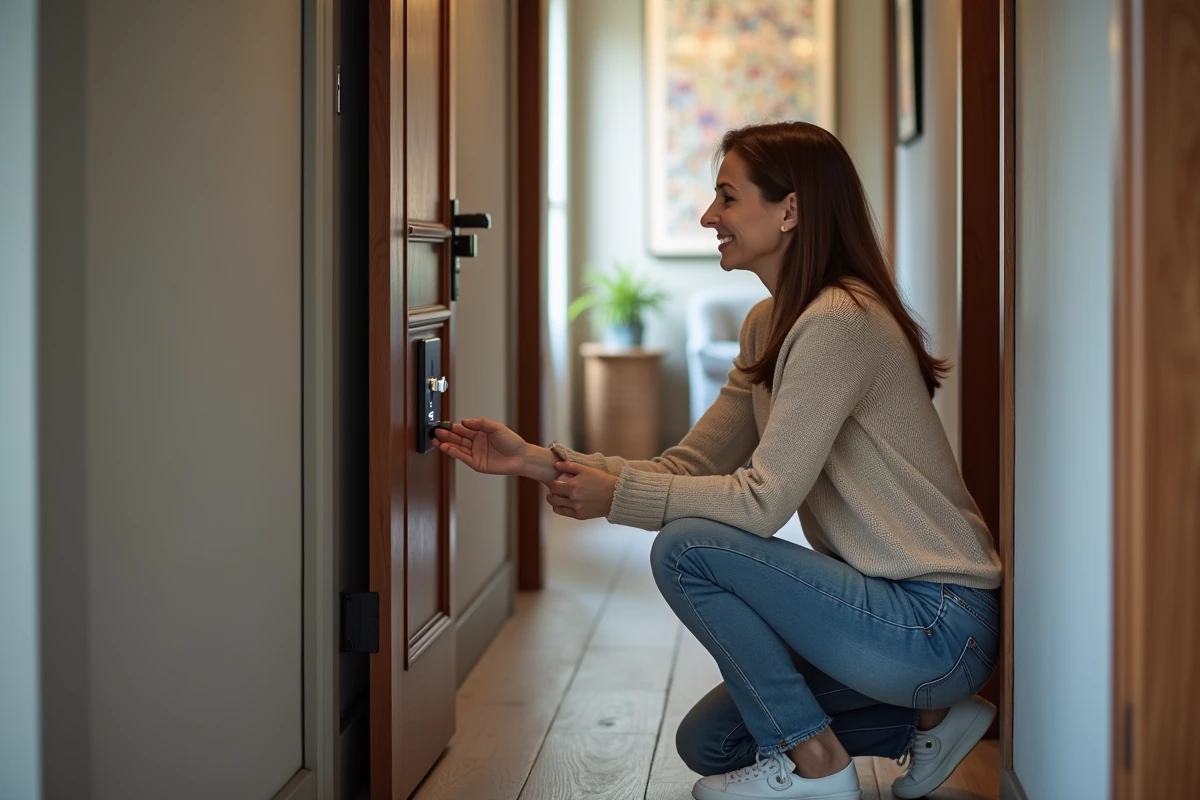
It is impossible to ignore the speed at which the way of living in France is evolving. Security now goes well beyond the traditional lock: intrusion detectors watch for suspicious movements, energy management is handled on a phone screen, and from the home automation dashboard, access to the home can be controlled remotely. The connected home is no longer reserved for tomorrow; it is becoming part of daily life, changing the relationship each person has with their walls and roof.
This new generation of housing combines environmental aspirations with comfort requirements. Coliving, innovative materials, automated devices: everything pushes to reinvent each space to follow the evolution of lifestyles and minimize energy impact. Through Protect Habitation’s news, a wave of solutions is emerging that aims to anticipate domestic risks while increasing the performance of each home.
To be concrete, here are the areas where these innovations are gradually taking hold:
- Real-time environmental monitoring, with sensors that track air quality or signal an anomaly as soon as it occurs
- Improvement of energy consumption through precise measurement systems and smart programming of household appliances
- Advanced automation of security devices, to ensure peace of mind and responsiveness without overloading the daily lives of occupants
Experimentation is key: France is becoming the laboratory for smart homes where technology, sobriety, and comfort go hand in hand.
How are homes adapting to the needs of seniors and people with disabilities?
Demographic aging is disrupting the vision of housing protection. Maintaining autonomy and allowing people to live at home for a long time is becoming a societal challenge. Forget just the armored lock: today, it is also about adapting the space for mobility, adjusting lighting to prevent falls, and removing every obstacle from the daily route. The social housing sector, as much as private housing, is taking the turn towards accessibility.
This shift involves concrete modifications as follows:
- Wider openings and removal of thresholds for wheelchairs
- Access ramps, redesigned sanitary facilities, and automatic control devices
- Shutters, lighting, and smart home tools adjustable remotely to reduce dependence
Programs offered by the Banque des Territoires or subsidies from Anah make these renovations finally feasible for many households for whom cost had previously been a barrier.
| Type of adaptation | Beneficiaries | Sources of funding |
|---|---|---|
| Ramps, adapted sanitary facilities, home automation | Seniors, people with disabilities | Eco-loan, Anah aids, Banque des Territoires |
Renovation cannot settle for ergonomics alone: improving thermal efficiency is now inseparable from the approach. Households see their budgets better managed, autonomy strengthened, and quality of life improved, as inclusion, sobriety, and social innovation advance together.
Energy renovation and technologies: what concrete solutions for a more responsible habitat?
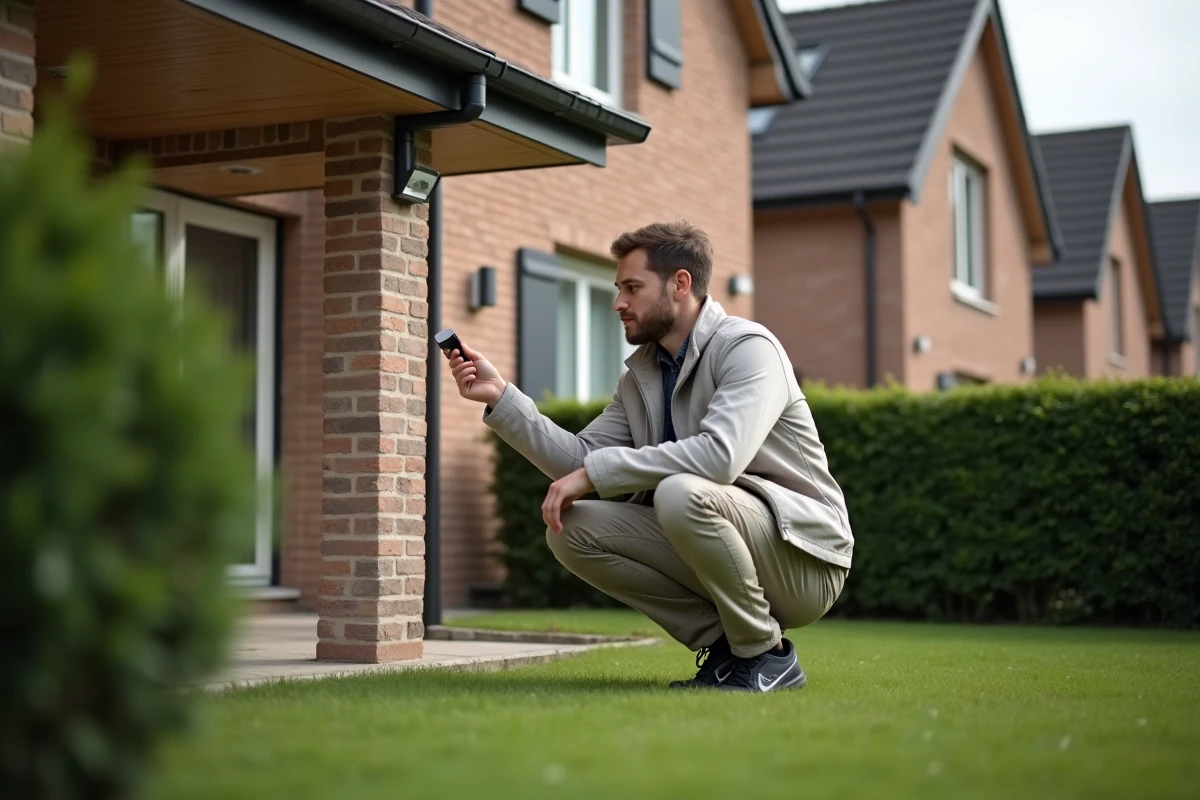
In the face of the proliferation of energy-inefficient homes and the climate emergency, energy renovation is becoming a necessity. Building experts are competing with solutions to narrow the gap between energy performance diagnosis and the comfort actually felt in daily life. Bio-sourced materials, improved insulation, intelligent heating management: each intervention limits energy waste and promotes sobriety.
Recent advancements do not stop at the materials used. The arrival of virtual reality or augmented reality is transforming the preparation of a construction site: simulating future work, anticipating technical constraints, projecting future savings. This approach allows for quicker decisions and secures each investment.
In this perspective, several devices facilitate the transformation of the existing housing stock:
- Energy savings certificates: financial support to extend the lifespan of homes
- Real-time consumption monitoring: management via connected applications and dashboards
There is no turning back on these transformations: the home of tomorrow, efficient, inclusive, and environmentally friendly, is being built right now, piece by piece, project by project. Perhaps, already, yours has begun its transformation.