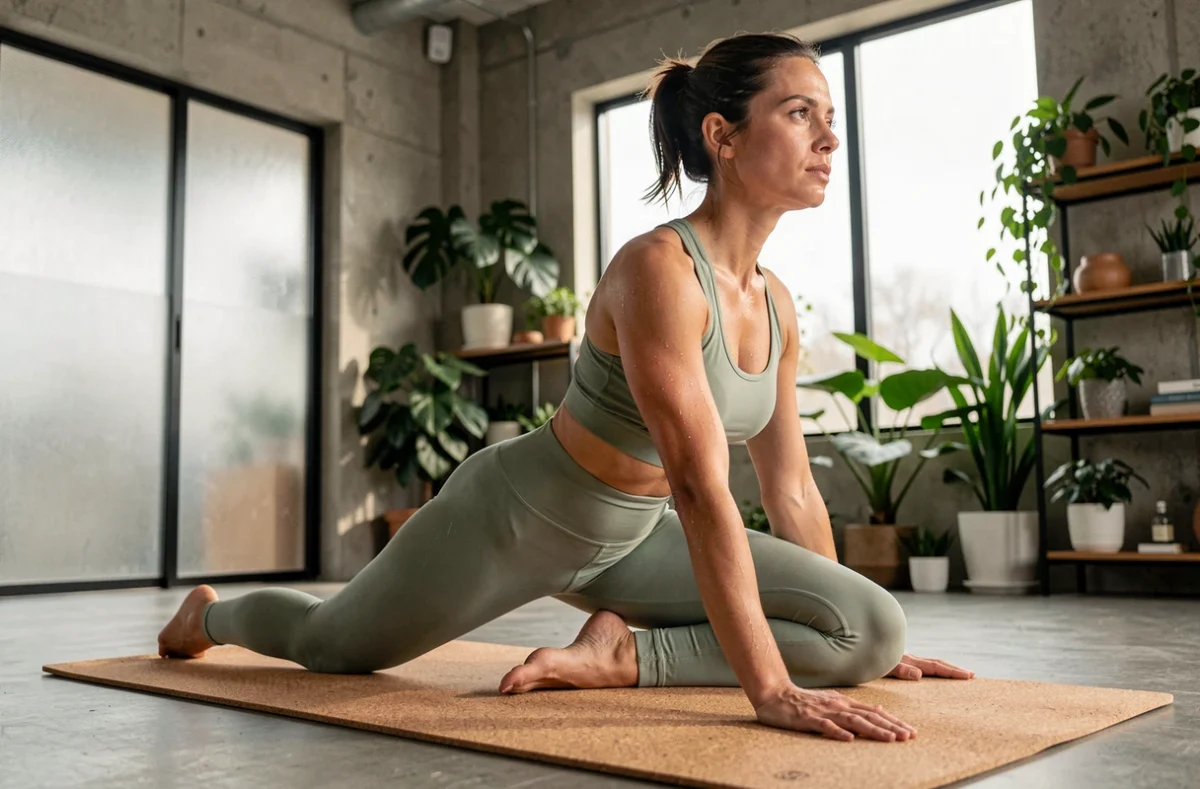
The 2025 National Survey of Sports Participation confirms that weekly physical activity in France has increased since 2018. At the same time, the share of people who belong to a sports association has fallen. Together, these trends paint a picture of 2026: more people are getting active, but an increasing number are doing so alone, outside clubs and structured coaching.
Wearables and connected tracking: what the data still doesn’t tell us
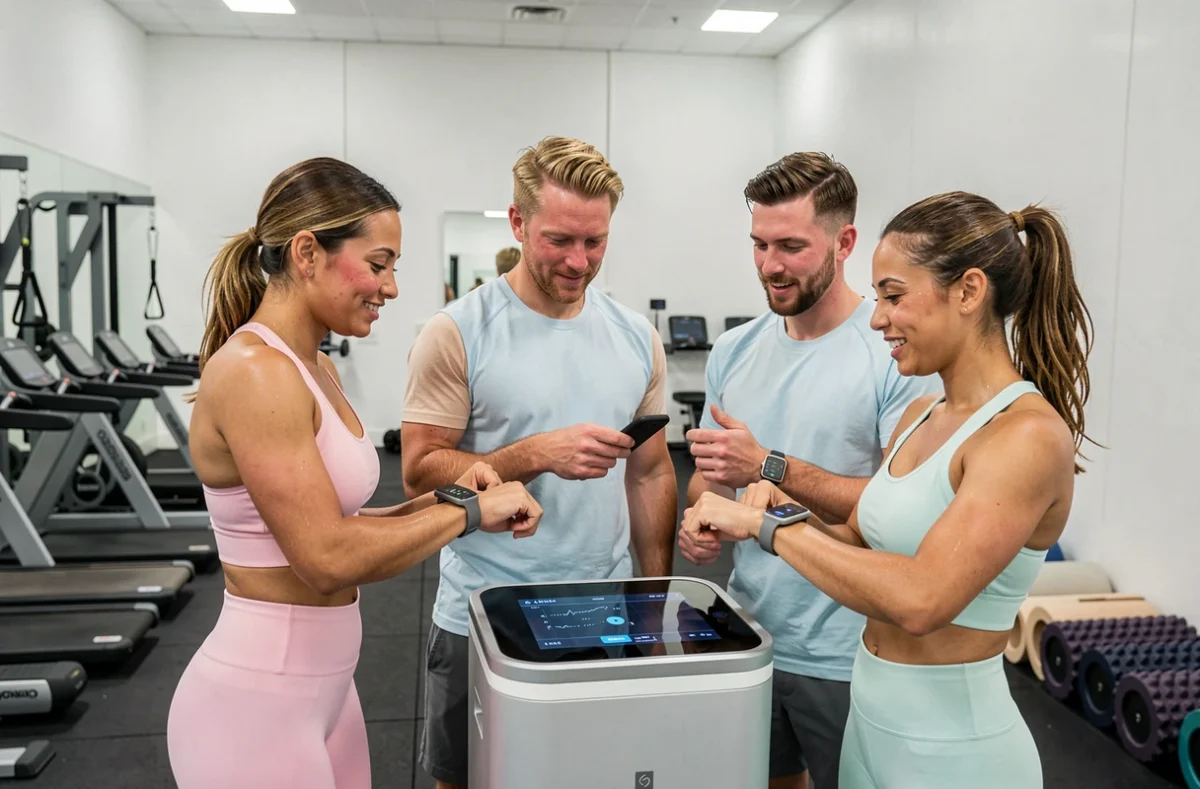
Connected devices have topped the fitness trends rankings for several years. Watches, heart rate monitors and coaching apps all make a simple promise: measure more to make better progress.
A review published in the European Journal of Sport Science in 2026 puts that promise into perspective. It highlights the variable quality of data collected by wearables, algorithms that are sometimes insufficiently evaluated, and limited integration between different systems. More measurements don’t guarantee reliable advice that’s easy to put into practice.
Another limitation is duration. The measured benefits of activity trackers are mainly established in the short term. There is not enough research to confirm that these devices sustain motivation or improve fitness over several months. For people who are already committed to exercise, a connected wristband can help fine-tune their training. For sedentary people, the effect remains uncertain—especially as sports and wellness news published on https://www.sportmag.info regularly highlights the gap between adopting technology and achieving lasting behavior change.
Independent sport in France: participation rises as structured coaching declines
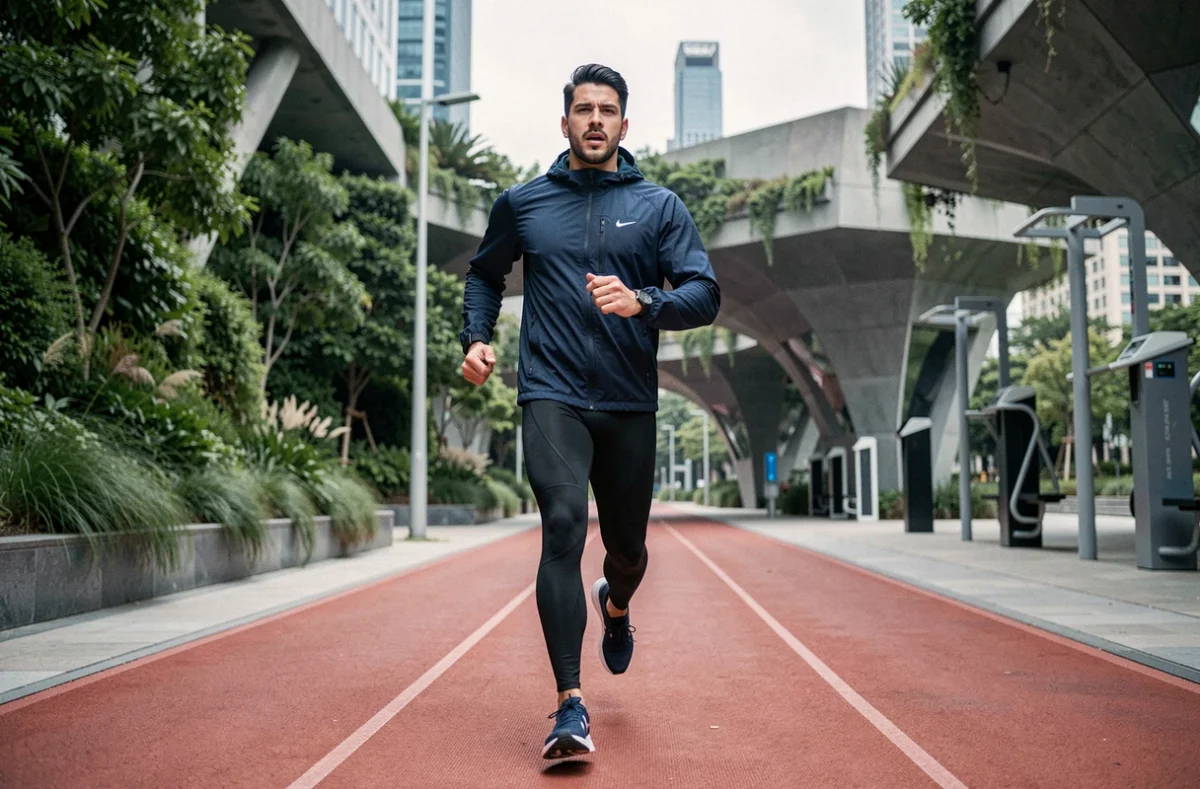
The decline in membership of sports associations does not signal waning interest in sport. It reflects a change in how people exercise. Running alone, following app-guided workouts at home and lifting weights at commercial gyms are all on the rise because they fit around people’s schedules and budgets.
This freedom comes at a less obvious cost. A sports club provides a framework that independent training cannot replicate:
- A trained coach who can adapt exercises to an injury, chronic condition or very low starting fitness level
- Regular social interaction that, according to several studies in sports psychology, helps people stay active over time
- Access that is often more affordable than a private gym membership or connected equipment
The question raised by this trend goes beyond fitness. The people least likely to be physically active are rarely the ones downloading a coaching app. Older adults, residents of rural areas with limited facilities and low-income families: independent exercise requires initiative, basic equipment and digital literacy—not everyone has access to all three.
The legacy of the Paris 2024 Games: correlation or measurable impact?
France’s 2025 review links the rise in sports participation to the post-Olympics period. Club registrations increased across several federations after the summer of 2024, and sports received an exceptional level of media coverage.
The available data do not allow us to attribute this change to the Games with certainty. The National Survey notes that the specific impact of the Olympics cannot be separated from other factors, including the weather, local policies, commercial gym offerings and pre-existing trends. Articles about sports trends rarely distinguish between correlation and causation.
This uncertainty does not diminish the momentum observed. It does, however, call for caution when making projections. A major sporting event can prompt people to sign up, but retention after twelve or twenty-four months is the real measure of structural change. France’s most popular federations, including football, rugby and cycling, have yet to publish consolidated data that would settle the question.
Hybrid training and mental well-being: fitness trends for 2026 in perspective
Hybrid training, which combines gym sessions, online classes and outdoor exercise, is emerging as the leading format in trend surveys. It meets a genuine demand for flexibility. But the term is defined so differently from one article to the next that it is hard to draw practical conclusions.
Mental well-being is following a similar path. Yoga, meditation and active recovery are becoming more prominent in fitness programs. Their inclusion in sports training is a real step forward. The limitation lies in the frequent confusion between commercial offerings and proven benefits. A meditation app bundled with a premium subscription does not deliver the same results as structured psychological support.
Everyday activities such as walking or cycling matter just as much as structured workouts. This puts the focus on niche trends into perspective: the main challenge is not to optimize performance for regular athletes, but to get inactive people moving, even a little.
What sports and performance trends leave out
Annual fitness trend surveys ask industry professionals, not people who exercise. The resulting rankings reflect what coaches and gym managers observe or anticipate among their clients. People who go to neither gyms nor clubs are not represented in these results.
This selection bias creates a feedback loop: trends describe the habits of people who are already active. Connected training, AI-powered personalization and hybrid coaching are aimed at an urban, motivated audience with access to the necessary equipment. The rest of the population—which makes up a substantial share—remains out of view.
The rise in sports participation in France is well documented. The open question for the years ahead is less about the next fitness trend and more about whether public policy, clubs and digital providers can reach people who don’t naturally gravitate toward sport.