You come home from work, settle down on the couch, and the evening feels like the previous one. Free time exists, but it loops around the same habits. Changing hobbies or adopting new ones doesn’t require a complete upheaval of your schedule. It starts with a simple question: what piques your curiosity, and how can you turn it into a regular practice?
Micro-engaged hobbies: activities that combine pleasure and utility
Since the pandemic, a fundamental change has been observed in how the French spend their free time. So-called “micro-engaged” hobbies are gaining ground: repairing objects, sewing and reusing clothing, growing food on a balcony or in a mini-garden. These practices respond to both a search for meaning and budgetary constraints related to rising prices, as highlighted by the 2023 report from the Cetelem Observatory and the Eurobarometer on sustainable consumption.
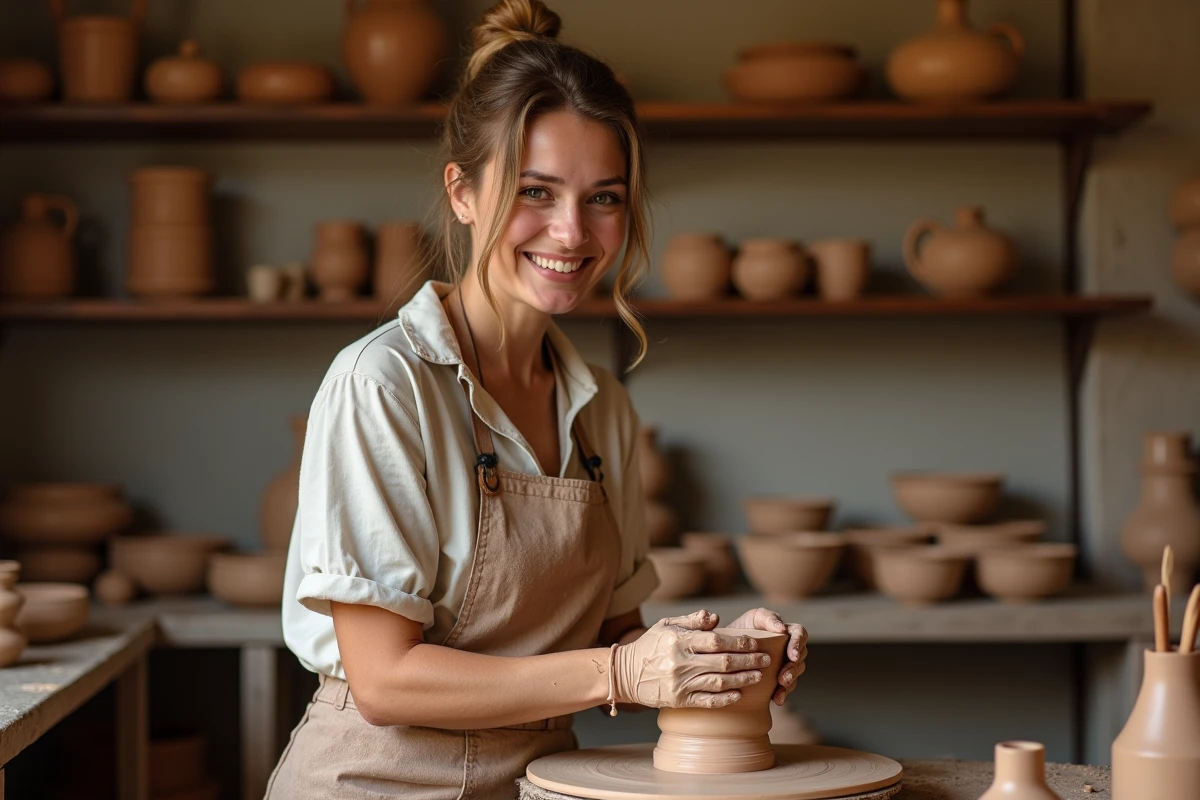
What distinguishes these activities from a simple hobby is their double effect: personal relaxation and concrete impact. Mending a piece of clothing, growing herbs, restoring a thrifted piece of furniture: each action produces a visible result. This tangible feedback enhances motivation over time, where a purely passive hobby often ends up being boring.
You can explore the leisure section of IdentiTools to find activity ideas that align with this practice-oriented and creative approach.
Media libraries and third places: free resources to test before committing
Have you ever walked into a media library for something other than a book? Since 2022, many public libraries in France are repositioning themselves as full-fledged third places for leisure. The “Libraries as Third Places” program from the French Ministry of Culture supports this transformation.

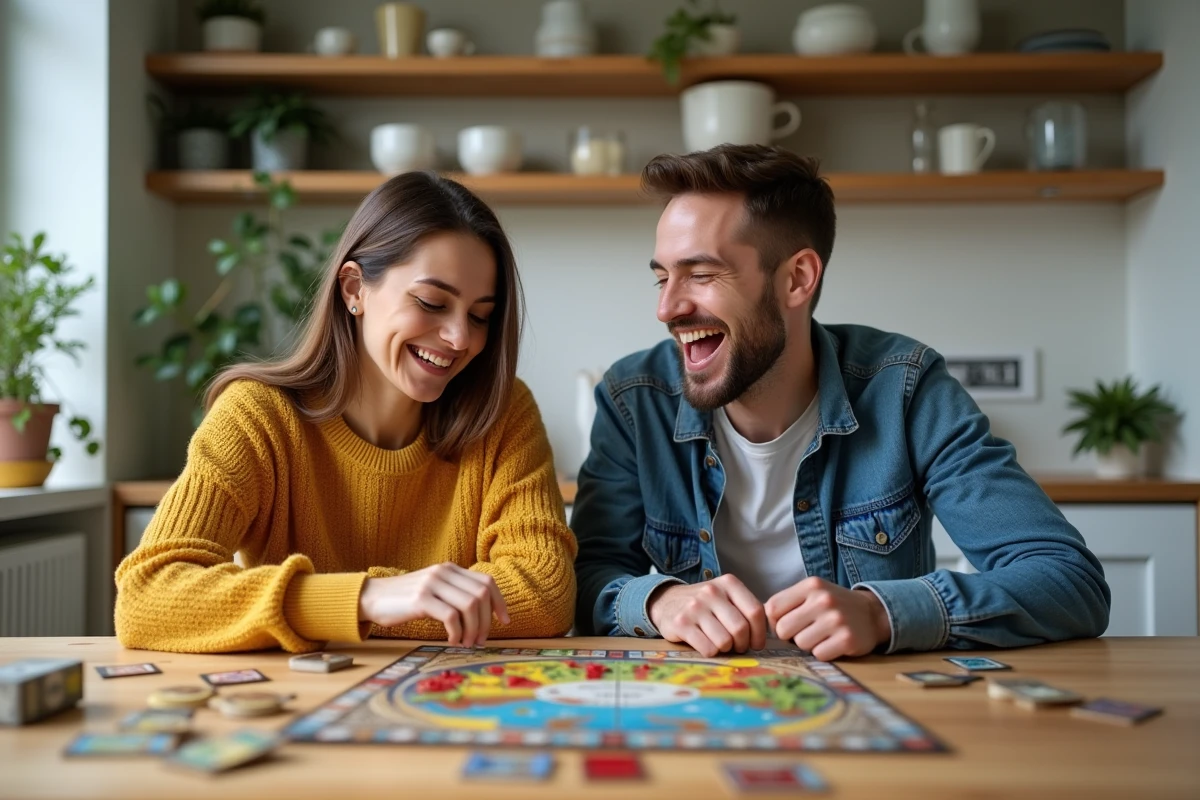
Specifically, these structures lend musical instruments, creative hobby materials, board games, and sometimes DIY tools. They also organize game clubs, digital creation workshops, or photography introductions.
The benefit is direct: test an activity without investing in equipment. Borrowing a guitar for three weeks is enough to know if the practice suits you. A linocut workshop at a media library saves you from buying presses and inks for a passion that may last only two months.
- Musical instruments available for loan: guitar, ukulele, keyboard, sometimes wind instruments, depending on the media library
- Creative materials: sewing machines, 3D printers, drawing kits, binding materials
- Collective workshops: board games in clubs, photography initiation, digital creation, object repair
Check with your local media library. The offerings vary from one municipality to another, but the trend is national, and the catalog expands each year.
Social prescription of activities: when leisure becomes a health tool
In France, several municipalities are experimenting with a system where doctors and health centers prescribe leisure activities. Not medications, not physiotherapy: creative workshops, group walks, gardening in groups. The High Authority of Health documented these experiments in 2023.
This mechanism, called social prescription, targets isolation and mild depression. It is based on a clinical observation: engaging in regular leisure reduces stress and measurably improves mood. Leisure then moves out of the realm of entertainment and into a care logic.
For you, this means that if you are going through a period of mental fatigue or withdrawal, discussing your hobbies (or their absence) with your primary care physician may lead to concrete guidance. Some municipalities offer adapted physical activities, Nordic walking groups, or art therapy workshops covered under this framework.
Activities suitable for children in this system
Children also benefit from this approach. Local programs include theater, music, or team sports classes as tools for developing social skills. Supervised leisure helps children structure their time, cooperate with others, and discover interests outside of school.
Building a regular practice without overloading your schedule
Adopting a new activity often fails for a simple reason: we aim too high, too fast. Signing up for a two-hour weekly class when the schedule is already tight creates guilt, not pleasure.
A more realistic approach is to start with slots of twenty to thirty minutes, twice a week. Draw on Tuesday evenings while dinner simmers. Read poetry on Sunday mornings instead of scrolling through a news feed. Knit while listening to a podcast.
The principle is to attach the hobby to an existing moment rather than creating an additional slot. This method, seemingly simple, changes the game over time.
- Associate the activity with an existing trigger: after morning coffee, during the commute, while waiting for a washing cycle to finish
- Set a ridiculously low minimum threshold: five minutes of sketching, one page read, three rows of knitting. If you do more, great
- Alternate two different activities during the week to avoid boredom and stimulate curiosity
- Keep the materials visible and accessible: an open notebook on the table, a guitar out of its case
Regularity matters more than duration. Twenty minutes practiced three times is better than a two-hour session abandoned after a month.
When leisure becomes a new skill
Over time, a regular hobby produces a valuable side effect: it develops transferable skills. Sewing teaches patience and precision. Gardening develops planning. Photography sharpens observation. These skills carry over into professional life without being the initial goal.
The best hobby isn’t the one that impresses others. It’s the one you naturally return to, even when no one is watching. If an activity makes you want to start again as soon as you finish, you’ve found the right one.